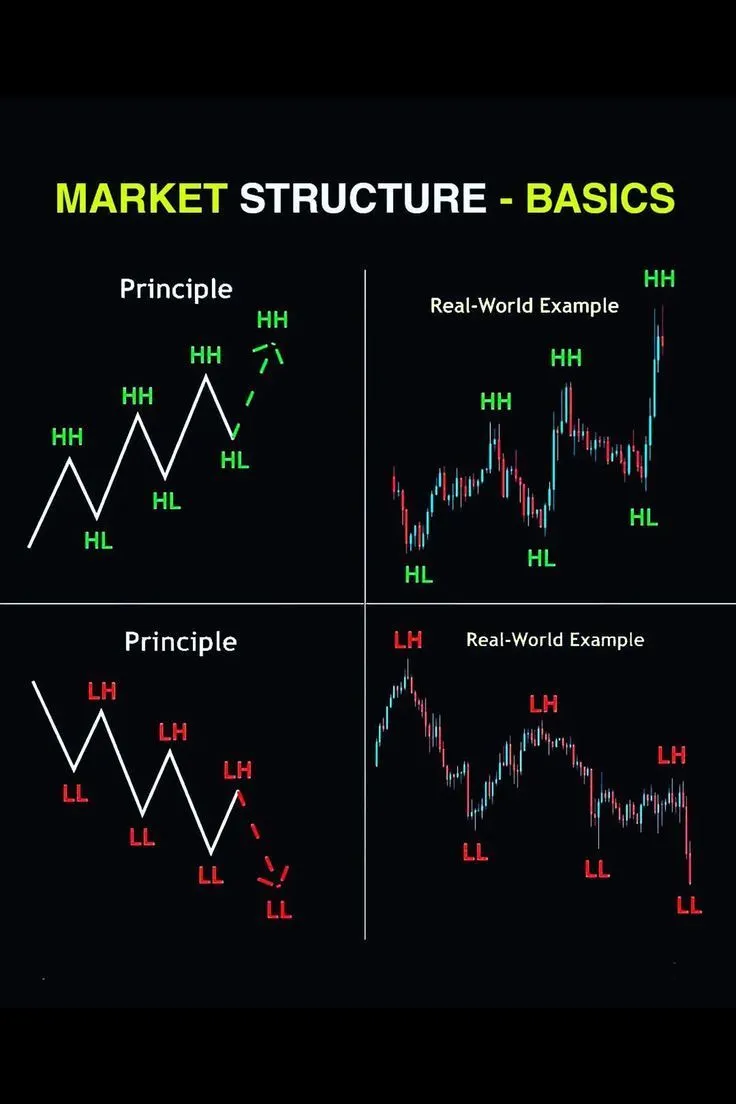
Understanding how a trade develops from an initial market idea to an executed position helps beginners avoid impulsive decisions. People researching a forex trade brokers company should look beyond access to currency pairs and consider how analysis, order controls and risk information work together. A structured trade normally begins with observing market conditions, identifying a possible setup and deciding how much exposure is acceptable. Following a clear sequence can help traders separate planned decisions from reactions driven by sudden price movement.
Start With Market Context
Before looking for an entry, traders need to understand the broader environment surrounding a currency pair. Interest-rate expectations, inflation figures, employment reports and central-bank communication can all influence market direction. Technical conditions also matter because prices may be trending, ranging or approaching an important support or resistance area. Rather than treating one indicator as a complete signal, traders can combine several relevant observations. Establishing context first makes it easier to decide whether a possible trade fits current conditions or should simply be ignored.
Build a Clear Trade Idea
The next step is converting market observations into a specific trade idea. Traders should define what they expect the price to do and what evidence supports that expectation. Anyone studying leading how forex trading works concepts should understand that a trading idea needs both an entry condition and a point where the original reasoning becomes invalid. Writing these details before execution creates a measurable plan and reduces the temptation to change direction simply because short-term price movements become uncomfortable.
Calculate Risk Before Entry
Position size should be determined before an order reaches the market. Traders can decide how much of their account they are prepared to risk and calculate exposure around the planned stop level. Margin and leverage also need attention because leverage can magnify both gains and losses. A potentially attractive setup does not justify taking uncontrolled exposure. By defining risk first, traders know the possible financial impact before entering. This approach places capital management ahead of excitement about how much a successful position might return.
Choose the Appropriate Order
Once the setup and risk are defined, the trader can decide how the position should be entered. A market order may be appropriate when immediate execution is required, while a pending order can be placed at a predetermined level. Traders should understand the practical differences before choosing either method. Spread, liquidity and volatility can affect execution, especially during active periods or major economic releases. The goal is not to enter as quickly as possible but to use an order type that matches the original trading plan.
Manage the Open Position
Execution is not the end of the process. Once a position is open, traders need to monitor it without abandoning their original reasoning because of every small price fluctuation. Stop-loss and take-profit instructions can help define planned exits, although market conditions may still affect execution. Traders should avoid increasing risk simply because a trade moves against them. If the market reaches the level where the original idea is considered invalid, accepting the planned loss can be more disciplined than repeatedly changing the exit to avoid closing.
Review the Completed Trade
After a position closes, reviewing the decision can provide more useful information than concentrating only on profit or loss. Traders can record the entry reason, market conditions, risk level, execution method and whether the plan was followed. A profitable trade taken without discipline may reinforce poor habits, while a controlled loss can still demonstrate consistent execution. Keeping screenshots and written notes makes comparisons easier over time. Repeated reviews can reveal whether mistakes occur during analysis, position sizing, order placement or management after entry.
Conclusion
A forex trade is best viewed as a complete process that begins before an order is placed and continues after the position has closed. Market context, a clear setup, controlled exposure, suitable execution and post-trade review all contribute to more organised decision-making. Traders exploring educational and trading resources through btcdana.com can use this framework to understand the stages involved while continuing independent research. Forex and CFD trading carry financial risk, so disciplined execution should always be supported by realistic expectations and careful risk management.